
Bitcoin Wallet Security Mistakes That Could Cost You Everything (2026 Guide)
.
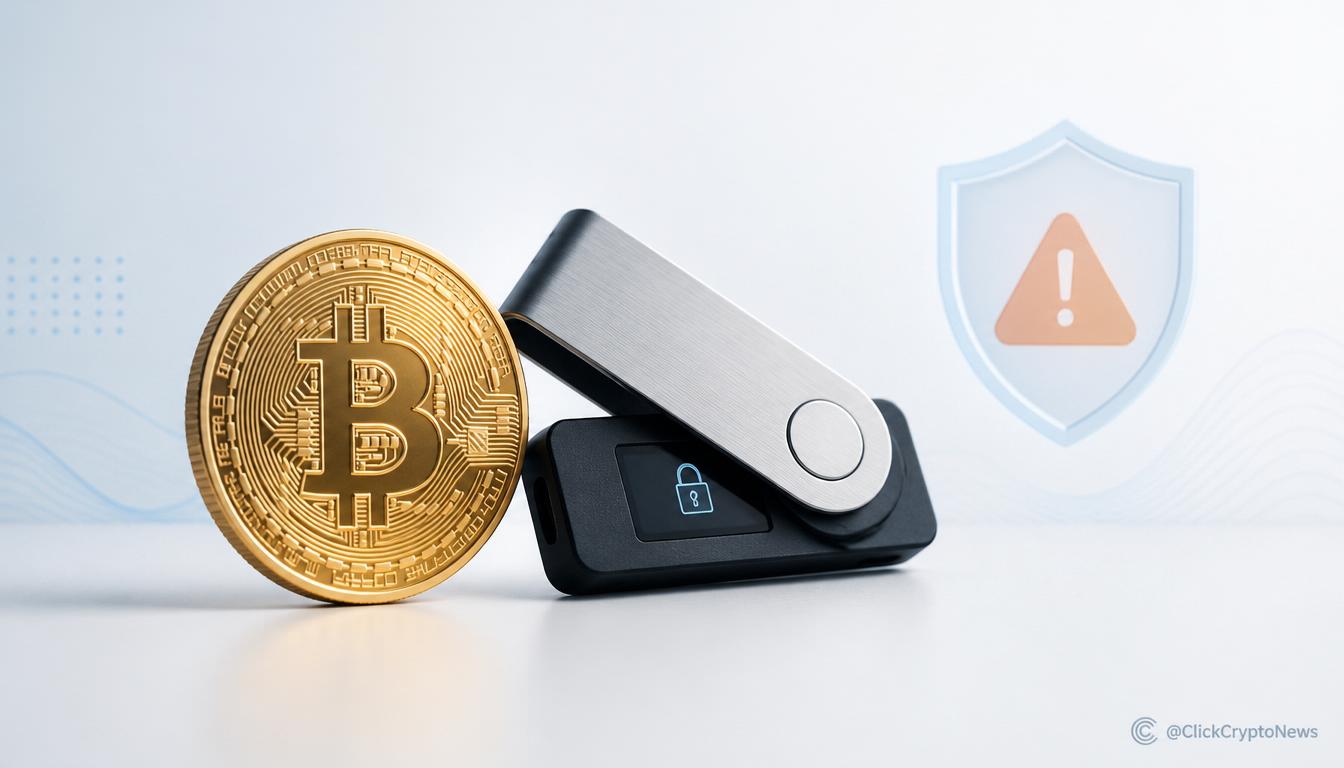
Bitcoin wallet security mistakes are the number one reason people lose their crypto for good, and most of them have nothing to do with hackers breaking down digital doors. They’re simple, everyday slip-ups that quietly leave a backdoor wide open until it’s too late. If you’ve ever typed your seed phrase into a website, snapped a photo of your recovery words “just to be safe,” or left your hardware wallet’s PIN written on a sticky note, you’re not alone, and you’re also not as safe as you think.
This guide walks through the most common security mistakes Bitcoin holders make in the UK, US, Canada, Europe, Australia, and across Asia, why they happen, and exactly how to fix them before they cost you everything. Whether you’re holding your first £100 in Bitcoin or you’ve been stacking sats for years, this one’s worth a proper read.
Why Bitcoin Wallet Security Matters More Than Ever in 2026
Crypto theft isn’t just a “back in 2017” problem. If anything, scams have gotten more sophisticated. Phishing emails look more convincing, fake wallet apps sit in app stores pretending to be legitimate, and social engineering attacks targeting crypto holders have become a full-time industry for criminals operating across borders.
The uncomfortable truth is that Bitcoin’s biggest strength, no banks, no middlemen, no one to call when something goes wrong, is also its biggest risk for people who don’t take security seriously. There’s no “forgot password” button. There’s no fraud department. Once your coins are gone, they’re gone, and most of these losses trace back to avoidable bitcoin wallet security mistakes rather than sophisticated hacks.
That’s why understanding bitcoin wallet security mistakes isn’t optional anymore. It’s the difference between holding your wealth securely for decades and waking up one day to an empty wallet with no way to get it back.
Mistake #1: Storing Your Seed Phrase Digitally
This one tops the list for a reason. Taking a photo of your seed phrase, saving it in your phone’s notes app, emailing it to yourself “for backup,” or storing it in a cloud drive like Google Drive or iCloud feels convenient. It’s also one of the easiest ways to hand your Bitcoin to a stranger.
Cloud accounts get hacked. Phones get stolen. Notes apps sync across devices you’ve forgotten even have access. The moment your 12 or 24 word recovery phrase touches the internet in any form, it’s no longer truly yours alone.
What to Do Instead
Write your seed phrase down on paper or, better yet, stamp it into metal using a seed phrase backup plate. Store it somewhere fireproof and waterproof, ideally in two separate physical locations. No screenshots. No cloud backups. No exceptions.
Mistake #2: Using Exchange Wallets as Long Term Storage
Leaving your Bitcoin sitting on an exchange like Coinbase, Binance, or Kraken feels easy because everything’s already set up. But exchanges have been hacked before, frozen withdrawals during market crashes, and in some cases collapsed entirely, taking customer funds down with them.
The old saying in crypto is blunt but accurate: not your keys, not your coins. If you don’t control the private keys, you don’t actually own the Bitcoin, you own a claim on Bitcoin that the exchange holds on your behalf.
The Fix: Self Custody With a Hardware Wallet
Moving your Bitcoin to a hardware wallet means your private keys live on a physical device that never touches the internet directly. Two of the most trusted names in this space are Ledger and Trezor, both offering devices designed specifically to keep your coins safe from online threats.
If you’re still relying on an exchange wallet for anything beyond small amounts you’re actively trading, it’s time to make the switch.
Mistake #3: Ignoring Firmware and Software Updates
Hardware wallets aren’t “set and forget” devices. Manufacturers regularly release firmware updates that patch security vulnerabilities, improve compatibility, and add new features. Skipping these updates, or worse, downloading them from unofficial sources, opens the door to exploits that have already been fixed for everyone else.
Always update directly through the official Ledger Live or Trezor Suite applications, downloaded only from the manufacturer’s official website.
Mistake #4: Falling for Phishing Scams Disguised as Wallet Support
This is one of the fastest growing bitcoin wallet security mistakes, and it’s catching out experienced holders too, not just beginners. Scammers send emails or messages pretending to be from Ledger, Trezor, or wallet support teams, claiming there’s an urgent security issue with your account and asking you to “verify” your seed phrase on a fake website.
Here’s the thing that needs to be said clearly: no legitimate wallet company will ever ask for your seed phrase. Not by email, not by phone, not through a chat support window. Ever.
How to Spot the Red Flags
- Urgent language pushing you to “act now” or risk losing funds
- Links that look almost right but have slightly misspelled domains
- Any request, in any form, for your recovery phrase or PIN
- Unexpected pop-ups during what should be a routine firmware update
Mistake #5: Using a Single Point of Failure
Keeping all your Bitcoin in one wallet, with one seed phrase, stored in one location, means a single house fire, flood, theft, or accident could wipe out everything. This is one of those bitcoin wallet security mistakes that’s easy to overlook, especially for people holding larger amounts who haven’t thought beyond the initial setup.
Spreading the Risk
Consider splitting larger holdings across multiple wallets, or using a passphrase feature (sometimes called a 25th word) supported by both Ledger and Trezor devices. This creates a hidden wallet that won’t show up even if someone gets hold of your standard seed phrase.
Mistake #6: Buying a “Used” or Discounted Hardware Wallet
Marketplace listings for hardware wallets at suspiciously low prices, sometimes pre-configured with a seed phrase already written down “to save you time”, have led to people losing their entire savings within days of setting up the device. These pre-loaded wallets are essentially traps.
Always Buy New, Always Buy Direct
Only purchase hardware wallets from the official manufacturer or authorised retailers. A genuine Ledger or Trezor device will always arrive sealed, with no pre-generated seed phrase, and will guide you through generating your own recovery words during initial setup.
Ledger vs Trezor: Which One Suits You?
| Feature | Ledger | Trezor |
|---|---|---|
| Connectivity | USB and Bluetooth (select models) | USB only |
| Screen | Compact colour touchscreen | Larger touchscreen (Safe 5) |
| Open Source | Partially | Fully open source |
| Coin Support | 5,000+ assets | 1,000+ assets |
| Best For | Beginners wanting a polished app experience | Users prioritising open source transparency |
For a deeper breakdown, check our full Ledger vs Trezor comparison guide, and if you’re still unsure which device fits your needs, our hardware wallet quiz can point you in the right direction in under two minutes.
Mistake #7: Not Testing Your Recovery Process
Setting up a hardware wallet and writing down your seed phrase is only half the job. Many people never actually test whether they can restore their wallet from that seed phrase, which means if their device breaks, gets lost, or stolen, they discover too late that something went wrong with their backup.
Once your wallet is set up and funded with a small test amount, try wiping the device and restoring it using only your written seed phrase. This confirms everything was recorded correctly before you commit larger amounts.
Mistake #8: Talking About Your Holdings Publicly
Posting screenshots of your portfolio, bragging in forums, or mentioning specific amounts on social media makes you a target. Crypto related home invasions, sometimes called “wrench attacks,” have been reported across the US, UK, and Europe, where criminals specifically target individuals known to hold significant crypto.
Keep your holdings private. Your wallet balance is nobody’s business but yours.
Protecting Yourself With the Right Tools
Good security habits matter, but having the right hardware underneath those habits matters just as much. Both the Ledger and Trezor Safe 5 remain among the most trusted devices for storing Bitcoin securely, with strong track records, active development teams, and large global communities for support.
For UK, EU, US, Canadian, Australian, and Asian buyers looking to start self custody properly, these devices are widely available with fast shipping and official warranties.
For broader guidance on digital security best practices that apply beyond crypto too, the CISA Secure Our World initiative offers solid, practical advice on protecting your digital life.
Quick Checklist: Avoiding Bitcoin Wallet Security Mistakes
- Never store your seed phrase digitally, in any form
- Move long term holdings off exchanges into self custody
- Keep firmware updated through official channels only
- Never share your seed phrase, with anyone, ever
- Buy hardware wallets new, direct from the manufacturer
- Test your recovery process before relying on it
- Keep your holdings private, online and offline
Frequently Asked Questions
What is the most common bitcoin wallet security mistake?
The most common bitcoin wallet security mistake is storing a seed phrase digitally, whether as a photo, in a notes app, or in cloud storage. This single habit accounts for a huge percentage of reported crypto theft cases worldwide.
Are hardware wallets really necessary for small amounts of Bitcoin?
Even small amounts add up over time, and habits formed early tend to stick. Starting with a hardware wallet from the beginning helps avoid bitcoin wallet security mistakes later when your holdings grow larger.
Can Ledger or Trezor recover my funds if I lose my seed phrase?
No. Neither Ledger nor Trezor can recover your funds without your seed phrase. This is by design, it’s what makes self custody secure, but it also means the responsibility sits entirely with you.
How often should I check on my hardware wallet’s security?
Check for firmware updates every few months through the official app, and periodically confirm your physical backups are still intact, readable, and stored securely.
Final Thoughts
Avoiding bitcoin wallet security mistakes isn’t about becoming paranoid, it’s about building a handful of solid habits early and sticking to them. Most people who lose their Bitcoin didn’t get hacked by some elite cybercriminal organisation, they made one small, avoidable mistake that compounded into a total loss.
Take the time now to review your setup, move funds off exchanges if needed, secure your seed phrase properly, and choose hardware from trusted brands like Ledger and Trezor. Future you will be very glad you did.
Ready to start securing your Bitcoin properly? Check out the Ledger hardware wallet on Amazon or the Trezor Safe 5 on Amazon to get started today.
Stay updated with the latest crypto security news via our Telegram channel or WhatsApp channel.
Affiliate disclosure: This post contains affiliate links. We may earn a small commission at no extra cost to you if you make a purchase through these links.


